
Why Burnout Recovery Fails
You’ve probably already tried to recover. You took time off, slept more, cut back where you could, maybe even booked the holiday you’d been putting off for two years. And yet something still didn’t fully shift.
This is one of the most frustrating experiences of burnout, and it’s far more common than people realise. Knowing how to recover from burnout isn’t just about doing the right things. It’s about doing the right things for the specific pattern driving your exhaustion. When those two things don’t match, recovery stays temporary. The cycle repeats. And you’re left wondering what’s wrong with you when the answer is actually much simpler: the intervention didn’t fit the cause.
Over 20 years of working with founders, executives, and purpose driven professionals, I’ve seen people try everything and still find themselves back where they started. Not because they weren’t committed, but because they were treating burnout as a single universal experience rather than recognising the specific pattern underneath it. Once that pattern becomes clear, the right recovery path usually does too.
Why Burnout Recovery Often Doesn’t Work — Even When You’re Doing Everything Right
Burnout recovery fails most often not because people aren’t trying hard enough, but because they’re applying generic solutions to a specific problem.
The World Health Organization classifies burnout as a syndrome resulting from chronic workplace stress that hasn’t been successfully managed, characterised by energy depletion, emotional distance from work, and reduced professional effectiveness. But within that definition, the patterns that drive people to that point are genuinely different. Someone burning out under years of relentless pressure and overstimulation isn’t experiencing the same thing as someone burning out from emotional disconnection, or from decades of quietly putting everyone else first. They might arrive at the same state of exhaustion, but the root cause is different. And so the recovery needs to be different too.
Most people who reach out to me for support have already tried the standard advice. They’ve rested, reduced their workload temporarily, set new boundaries, tried meditation. And they often feel temporarily better before sliding back into the same cycle. That’s not a personal failing. That’s what happens when recovery addresses the symptoms but leaves the underlying pattern untouched.
The Three Burnout Patterns that Keep High Performers Stuck
Over the years I’ve noticed three dominant patterns in the burnout experiences of high performing people. These aren’t rigid categories and most people carry elements of more than one. But recognising which is most dominant right now is what makes the difference between recovery that lasts and recovery that doesn’t.
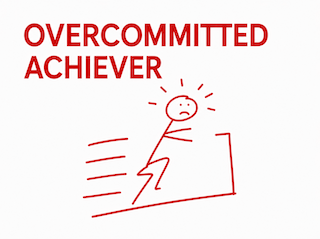
The first pattern is what I call the Overcommitted Achiever. This is the person who burns out from relentless pressure, chronic overstimulation, and consistently pushing beyond their limits. Externally, they’re still functioning — still delivering, still capable. But their nervous system hasn’t returned to baseline in years. They’re tired but wired. Exhausted but restless. They take breaks but bring their stressed out nervous system with them, because stress stopped feeling like pressure long ago and started feeling like productivity, momentum, even safety. Research from the National Center for Biotechnology Information confirms that burnout in this profile is strongly associated with reduced parasympathetic activity — the branch of the nervous system responsible for genuine rest and recovery. The body is still operating in survival mode even when the schedule clears.
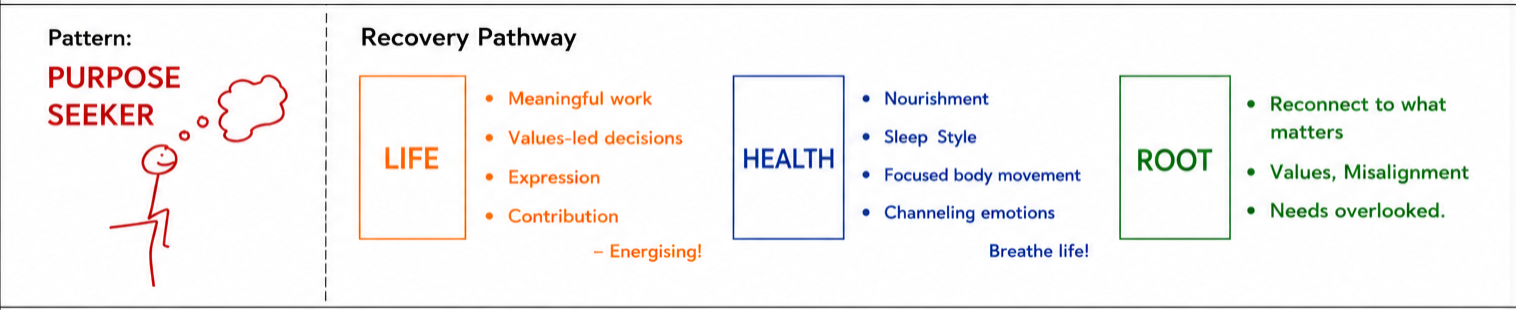
The second pattern is the Purpose Seeker. This one often looks different from the outside. These are deeply thoughtful, values driven people who haven’t necessarily been working harder than usual — they’ve been working in ways that no longer align with what genuinely matters to them. The burnout here isn’t always dramatic. It’s a flatness, a creeping numbness, goals that feel strangely empty once they’re reached. Motivation that keeps disappearing despite being highly capable. One client described it as feeling like an outsider looking in at her own life. Traditional rest often won’t fully resolve this. The disconnection runs deeper than a holiday can reach.

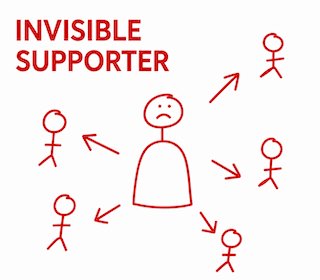
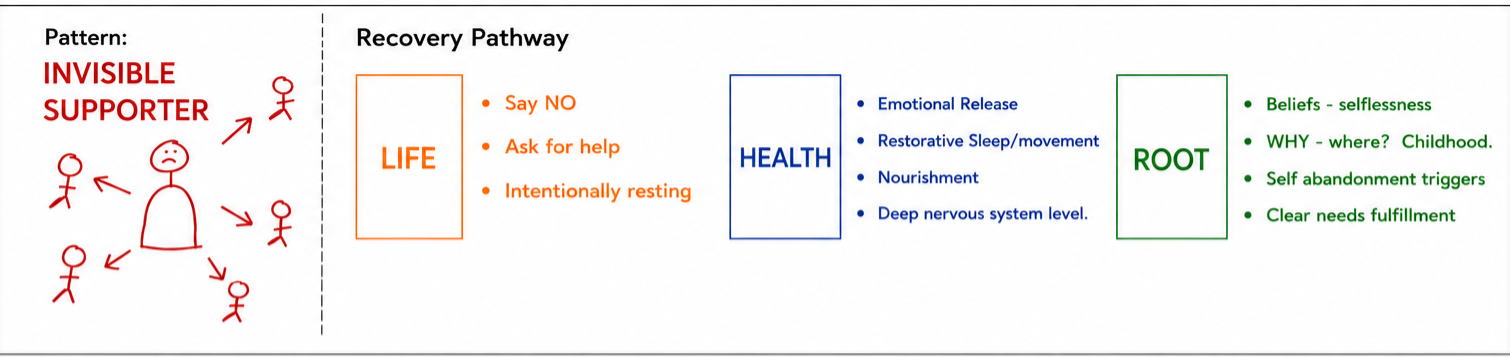
The third pattern is the Invisible Supporter. These are the people everyone relies on — the dependable ones, the emotionally responsible ones who hold everything together while quietly abandoning themselves. They absorb other people’s emotional pressure, suppress their own needs, struggle to receive support, and often only feel okay when they’re being useful to someone else. I’ve worked with people who genuinely don’t know how to stop taking care of others without feeling selfish. For this pattern, reducing workload or sleeping more will help temporarily. But until the deeper conditioning driving the self abandonment changes, the cycle will return.
Why Burnout Doesn’t Heal at Just One Level
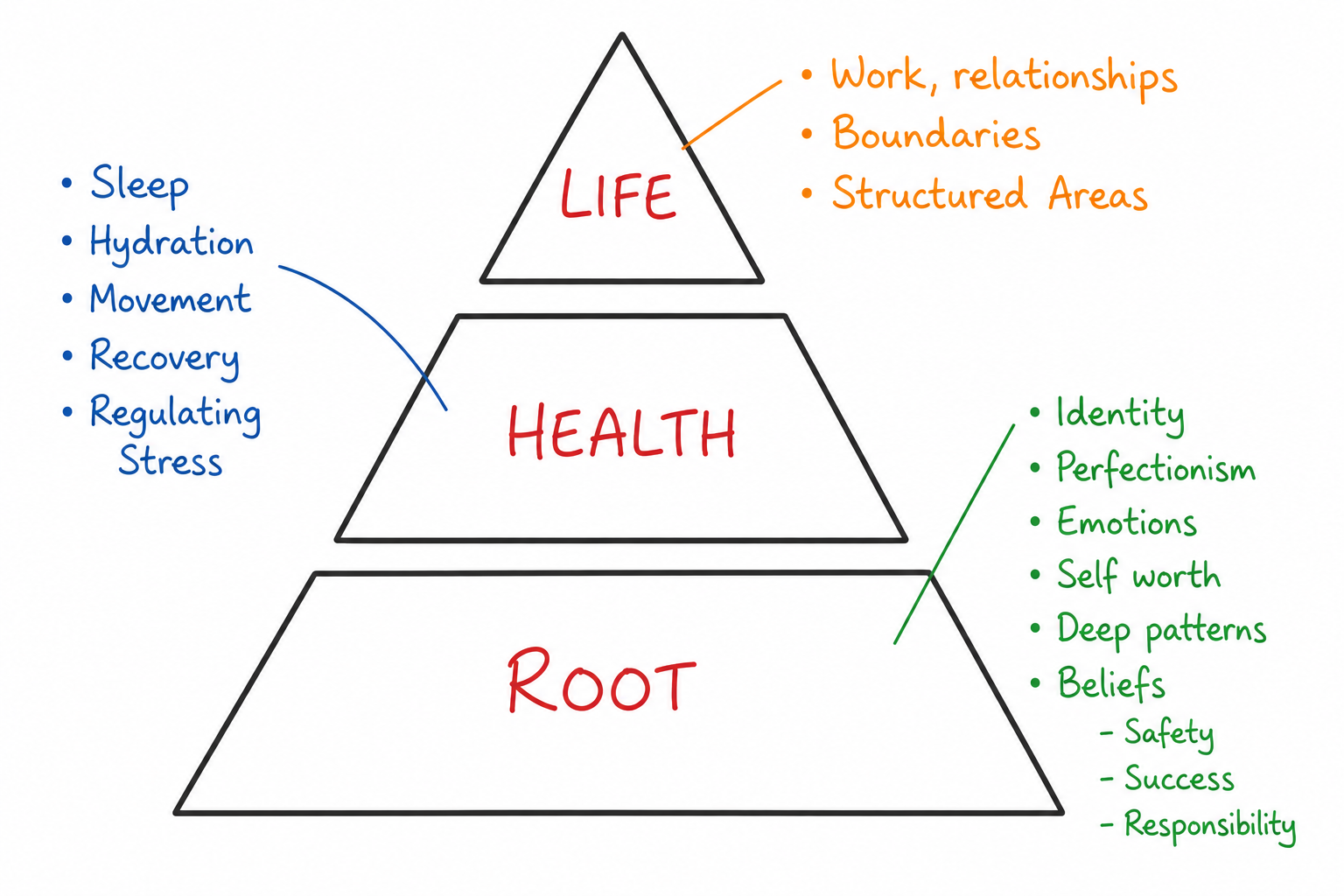
Most recovery attempts focus on what I call the Life Level — the outer layer of circumstances: workload, schedule, responsibilities, relationships, how your days are currently structured. This is the most visible layer, and it absolutely matters. But addressing it alone is why so many people recover temporarily and then relapse.
The Stress-Performance Pyramid maps burnout and recovery across three levels. The Life Level is your daily environment and external circumstances. The Health Level is your body and nervous system — sleep quality, hydration, movement, recovery capacity, and the physiological effects of sustained stress. Research published in the European Journal of Endocrinology has identified measurable changes in nervous system function and stress hormone regulation in people experiencing burnout, which is why physical recovery isn’t optional — it’s structural. And then there’s the Root Level: the deeper layer of identity, emotional conditioning, behavioural patterns, and beliefs about safety, worth, usefulness, and responsibility that sustain the burnout cycle even after the external circumstances change.
High functioning burnout — when someone continues to perform externally while their nervous system is running on depleted reserves, with stress chemistry as the baseline and the internal cost no longer visible to anyone, including themselves — almost always has a strong Root Level component. This is why it’s possible to take a month off, feel genuinely better, return to work, and find yourself back in the same exhausted state six months later. The Root Level pattern was never addressed.
Lasting recovery requires attention at all three levels, with different emphasis depending on which burnout pattern is driving the experience. Research from Maslach and Leiter on the dimensions of burnout confirms that effective intervention needs to address the full depth of what’s happening — not just the most visible part.
What burnout recovery actually looks like when it matches your pattern
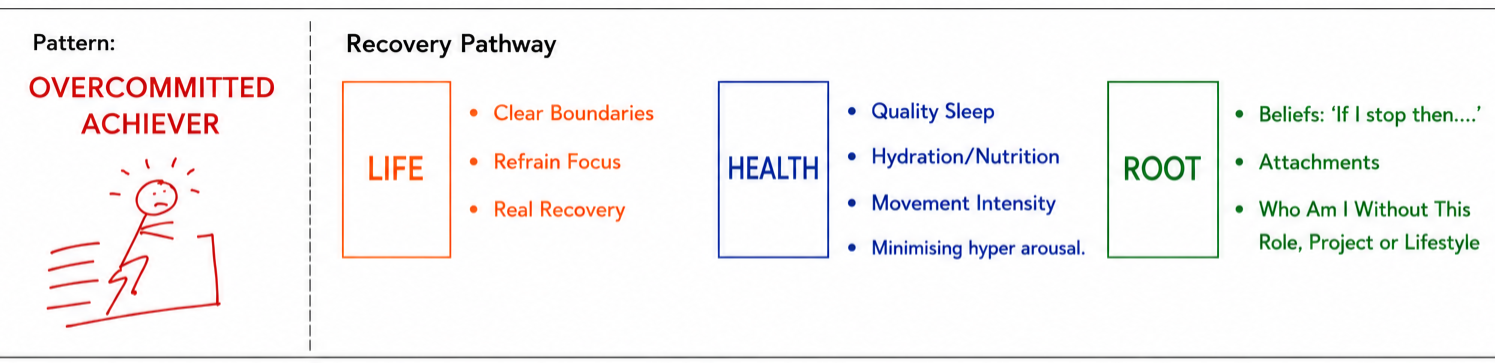
If you’re the Overcommitted Achiever, recovery starts by reducing constant overstimulation and helping your nervous system genuinely come out of survival mode. At the Life Level, that means clearer boundaries, fewer context switches, and recovery time that actually delivers a return. A lot of high achievers treat recovery the way you might treat a 30 second stop at a petrol station and expect it to last another 500 miles. At the Health Level, quality sleep, adequate nutrition, hydration, and movement that supports the body rather than agitating an already depleted system. At the Root Level, it means examining the beliefs underneath the behaviour — whether your sense of value is tied to output, whether the drive for achievement is coming from a healthy or an anxious place, and who you are when you’re not being productive.
If you’re the Purpose Seeker, recovery starts by reconnecting to meaning and alignment. At the Life Level, that might mean introducing more meaningful work, making decisions that genuinely reflect your values, creating space for things that energise rather than drain you. At the Health Level, restorative movement, nourishing food, and understanding your own recovery patterns. At the Root Level, honest reflection on what you actually care about now, and where along the way you started compromising that in order to maintain stability, approval, or responsibility.
If you’re the Invisible Supporter, recovery starts with healthier physical and emotional boundaries. At the Life Level, saying no more often, asking for help, and deliberately creating downtime to fill your own reserves before pouring into everyone else. At the Health Level, releasing emotion you’ve been carrying, restorative sleep, and tuning into your own recovery needs rather than performing recovery for others while neglecting it yourself. At the Root Level, examining where this pattern was first created, understanding what triggers self abandonment, and getting clear on what you actually need so you can start meeting those needs rather than waiting for permission.
If you recognise yourself in any of these patterns and you’ve been stuck in the same cycle for a while, the free Stress-Less Scorecard helps you identify which pattern is most dominant right now. You’ll receive a personalised recovery pathway report by email.
Frequently Asked Questions
Can you be burning out while still performing well at work?
Yes, and this is one of the most misunderstood aspects of burnout. High functioning burnout is when someone maintains strong external performance while running on depleted internal reserves. The meetings happen, the delivery continues, the capability remains visible — while the nervous system, emotional bandwidth, and recovery capacity quietly deteriorate beneath the surface. Many people don’t identify as burning out precisely because they’re still functioning. That’s what makes it so easy to miss.
Why doesn’t rest fix burnout for some people?
Because rest addresses the Life Level — the external circumstances — but burnout usually has roots at the Health Level through nervous system dysregulation and physiological depletion, and at the Root Level through identity patterns, emotional conditioning, and beliefs about productivity and worth. If those deeper patterns don’t shift, rest provides temporary relief before the same circumstances and behaviours recreate the same exhaustion.
What are the different types of burnout patterns?
The three most common patterns in high performing people are the Overcommitted Achiever, burning out from relentless pressure and overstimulation; the Purpose Seeker, burning out from disconnection from meaning and values alignment; and the Invisible Supporter, burning out from emotional overresponsibility and chronic self abandonment. Most people carry elements of more than one, and the dominant pattern can shift over time.
How do I know which burnout pattern applies to me?
The clearest indicator is looking at what’s most dominant in your experience right now — whether you’re primarily exhausted from pressure and overstimulation, from feeling emotionally flat and disconnected from meaning, or from carrying too much emotional responsibility for everyone around you. The free Stress-Less Scorecard assesses your pattern across the Life, Health, and Root levels and gives you a personalised report.
Do you have to stop working completely to recover from burnout?
Not necessarily. Full recovery doesn’t always require stepping away from work entirely. It requires addressing the right levels — reducing what’s depleting you, rebuilding what’s been lost, and changing the patterns that sustain the burnout cycle. Many people recover while still working, particularly when they understand which pattern is driving their exhaustion and what the right interventions look like at each level.
What is the Root Level of burnout and why does it matter for recovery?
The Root Level refers to the deeper layer of identity, emotional conditioning, and behavioural patterns that sustain burnout even after the external circumstances change — things like beliefs about self worth, perfectionism, people pleasing, and what it means to rest or slow down. Addressing only the surface of burnout while the Root Level patterns remain unchanged is why so many people feel temporarily better but keep returning to the same state of exhaustion.
Burnout doesn’t recover in a single direction. It recovers when the approach matches the pattern — when you’re addressing the right level, with the right focus, at the right time.
If you’ve tried resting and it hasn’t fully worked, the answer isn’t to rest harder. It’s to understand what’s actually driving the exhaustion so you can address that directly.
The free Stress-Less Scorecard takes around five minutes and gives you a personalised assessment of your burnout pattern across the Life, Health, and Root levels. Your report will be emailed to you with recovery insights specific to your pattern. If your burnout has significantly affected your mental or physical health — through chronic fatigue, persistent anxiety, insomnia, or depression — please seek clinical support alongside this work. Sometimes both personal and clinical support go hand in hand.
About Charlotte Stebbing-Mills
Charlotte Stebbing-Mills is an award-winning wellbeing and performance expert with over 20 years of experience working with high performers, executives, and organisations across stress optimisation, burnout recovery, and sustainable high performance. She is the founder of The Wellness Theory and creator of the Stress-Performance Pyramid, the Well-Working Ecosystem, and the Ripple Effect Model.
Website: thewellnesstheory.com
Stress-Less Scorecard | Book an Exploration Call